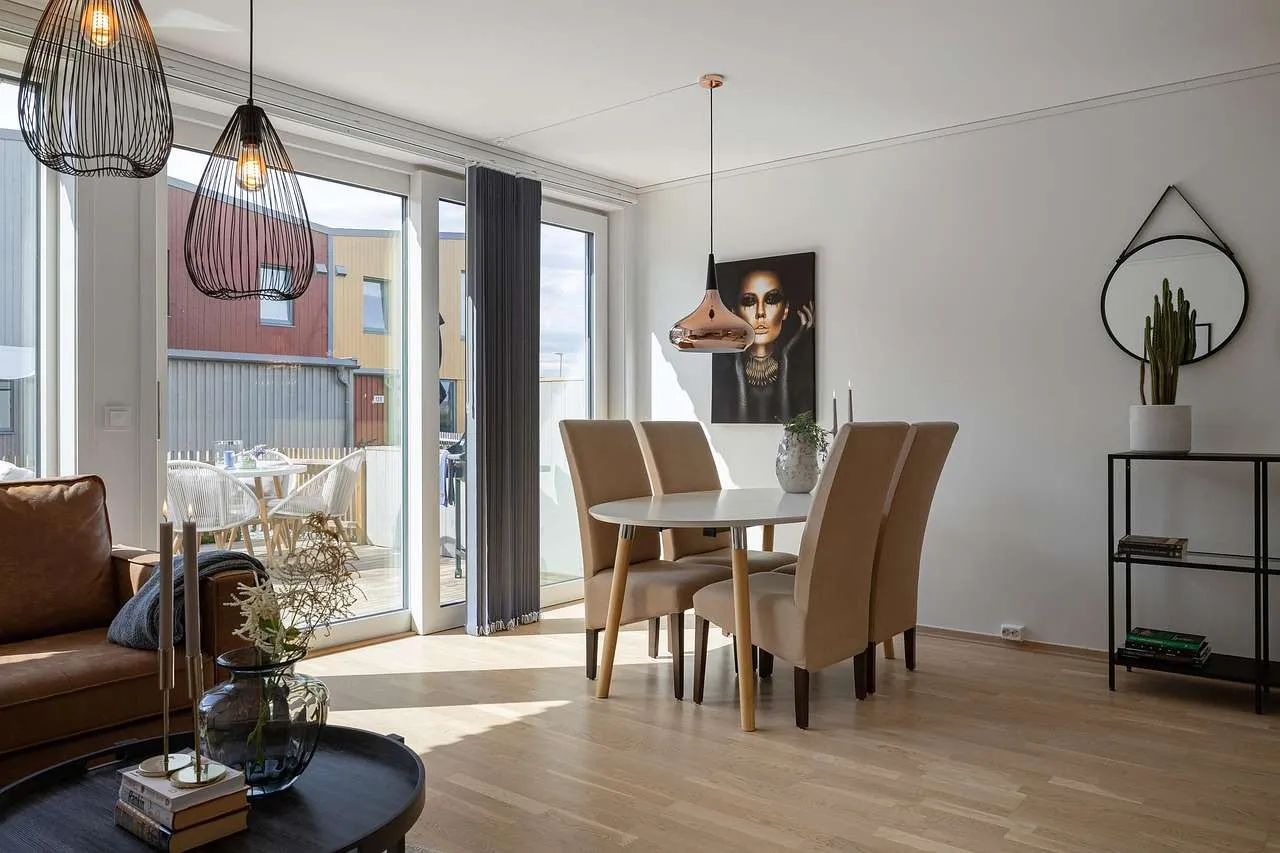
Home window tinting refers to applying a thin film to glass to control heat, glare, UV exposure, and privacy. It can be installed on most residential windows, including patio doors and skylights. When done correctly, tinting improves comfort, protects furnishings from fading, and lowers energy usage by reducing solar heat gain. This article explains what home window tinting is, the different film types, how to choose the right option, cost considerations, maintenance tips, and how to work with licensed installers to meet EEAT standards.
What is home window tinting?
Window tinting uses a film applied to the interior surface of glass. The film contains dyes, metals, or ceramic particles that filter light and heat. Modern films offer high heat rejection while preserving natural daylight. Some films also provide additional safety features by adding a layer that helps hold glass together if it breaks. Tinting is subtle, does not change the basic function of the window, and can be reversed or replaced without replacing glass.
Benefits of home window tinting
- Energy savings: reduce cooling loads by blocking solar heat.
- UV protection: block up to 99% of UV rays, preserving furnishings.
- Glare reduction: easier on eyes and better viewing from screens.
- Privacy and security: more privacy while preserving view; some films add shatter resistance.
- Aesthetics and home value: uniform appearance and potential added curb appeal.
Types of window tint films
There are several film technologies, each with trade-offs:
| Type | Light Transmission | UV Rejection | Pros | Cons | Typical Cost |
|---|---|---|---|---|---|
| Dyed | 30–70% | Good UV blocking | Low cost, good glare control | Can fade over time, color may shift | 2–6 per sq ft |
| Metalized | 15–60% | Excellent UV blocking | Strong heat reduction, added privacy | Possible interference with electronics, visible pattern | 3–7 per sq ft |
| Ceramic | 40–70% | Superior UV rejection | Best clarity, no metal interference | Higher cost | 6–10 per sq ft |
| Carbon | 40–60% | Great UV rejection | Matte finish, avoids glare | Moderate cost | 4–9 per sq ft |
| Hybrid | 20–60% | Good UV rejection | Balanced performance, reasonable price | Varies by brand | 3–8 per sq ft |
Choosing the right tint for your home
Consider climate, orientation, and your privacy needs. If your house faces south or west, you may prioritize higher solar rejection. If you rely on natural light, you may prefer lighter films with higher visible transmission. Certification and warranty from the installer signal reliability. Look for products with known performance data and ask for a sample film to preview color and shade in your windows. Local laws may regulate darkness or reflectivity, so verify compliance before installation.
Cost and ROI
Most homeowners pay per square foot or per window. Typical residential tinting ranges from a few dollars to ten dollars per square foot, depending on film type and local labor costs. While not the cheapest upgrade, energy savings can reduce cooling costs by several percent in hot climates, often paying back within several years plus added comfort and protection for furnishings.
DIY vs professional installation
Professional installation ensures proper cleaning, precise trimming, and avoidance of air bubbles and edge lift. Improper DIY can damage seals or void warranties. In most markets, a licensed installer provides a warranty on film adhesion and performance. If you choose DIY, use manufacturer instructions, work with a partner, and ensure climate-controlled conditions for the film to cure. Always test for tangling film and ensure your windows are ready for tinting.
Maintenance and safety
Clean tint films with non-ammonia cleaners and soft cloths. Avoid abrasive materials that could scratch the film. Periodic inspection for edge lift or bubbling is recommended. Safety note: tinting can improve shatter resistance, but does not guarantee safety against heavy impact; consider laminated or reinforced glass for high-risk areas.
Conclusion, home window tinting reduces glare, blocks UV, improves comfort, saves energy, and should be installed by a certified pro after checking local regulations and film type to fit your home and budget.